
Women's Health Guides & Insights
Welcome to the Women's Health hub at PremiumRx. Here you’ll find straight‑forward info that helps you understand your body, make smarter choices, and feel confident about health decisions.
Understanding Ovulation
Ovulation is the moment an egg leaves the ovary and becomes ready for fertilization. It usually happens once each month, around day 14 of a typical 28‑day cycle, but timing can vary. Knowing when you ovulate gives you a clear window if you’re trying to conceive or avoid pregnancy.
Many people wonder whether pregnancy is possible without ovulating. The short answer: an egg is required for fertilization, so without ovulation, natural conception won’t happen. Some myths on social media claim otherwise, but biology doesn’t support that idea. If you suspect irregular cycles, a simple home ovulation test can show the hormone surge that signals your body’s readiness.
Our article “Can You Get Pregnant Without Ovulating?” breaks down the science with easy diagrams and clears up common misconceptions. It explains why tracking basal body temperature or using LH strips gives you reliable clues about your fertile days.
Real Stories from Women
Reading about real experiences can be surprisingly motivating. In “Ovulation Test Success Stories,” women share how pinpointing their ovulation window helped them boost confidence and improve pregnancy odds. One reader described using an over‑the‑counter test for three cycles, finally seeing the surge that matched her calendar, and then conceiving two months later.
These stories highlight a simple truth: paying attention to your cycle isn’t complicated when you have the right tools. You don’t need expensive labs—just a few minutes each day to note changes in cervical mucus, temperature, or test results.
Beyond fertility, our Women’s Health section covers topics like hormonal balance, menstrual health, and common conditions such as PCOS or endometriosis. Each guide is written in plain English, avoids jargon, and points you toward practical steps—whether that means lifestyle tweaks, over‑the‑counter options, or when to see a doctor.
Ready to start? Browse the articles below, bookmark the ones that speak to your situation, and feel free to use our search bar for specific questions. PremiumRx is here to give you clear answers without the fluff, so you can focus on what matters most—your health and peace of mind.
How to Prepare for Medication Discussions with Your OB/GYN: A Step-by-Step Guide
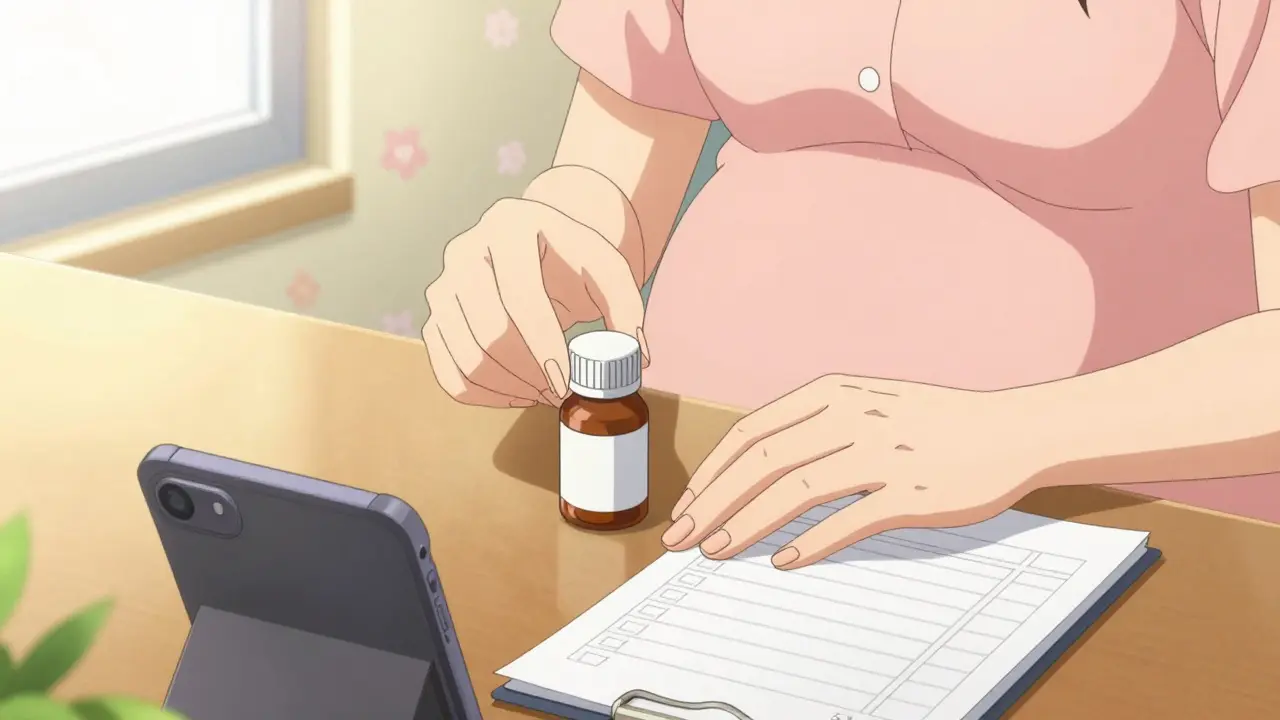
Learn how to prepare for medication discussions with your OB/GYN. Essential steps include compiling a detailed medication list, asking key questions, and avoiding common mistakes. CDC data shows 90% of pregnant women take medications, making these discussions vital for safe pregnancy care.
How to Discuss Pregnancy and Breastfeeding Plans for Medication Safety
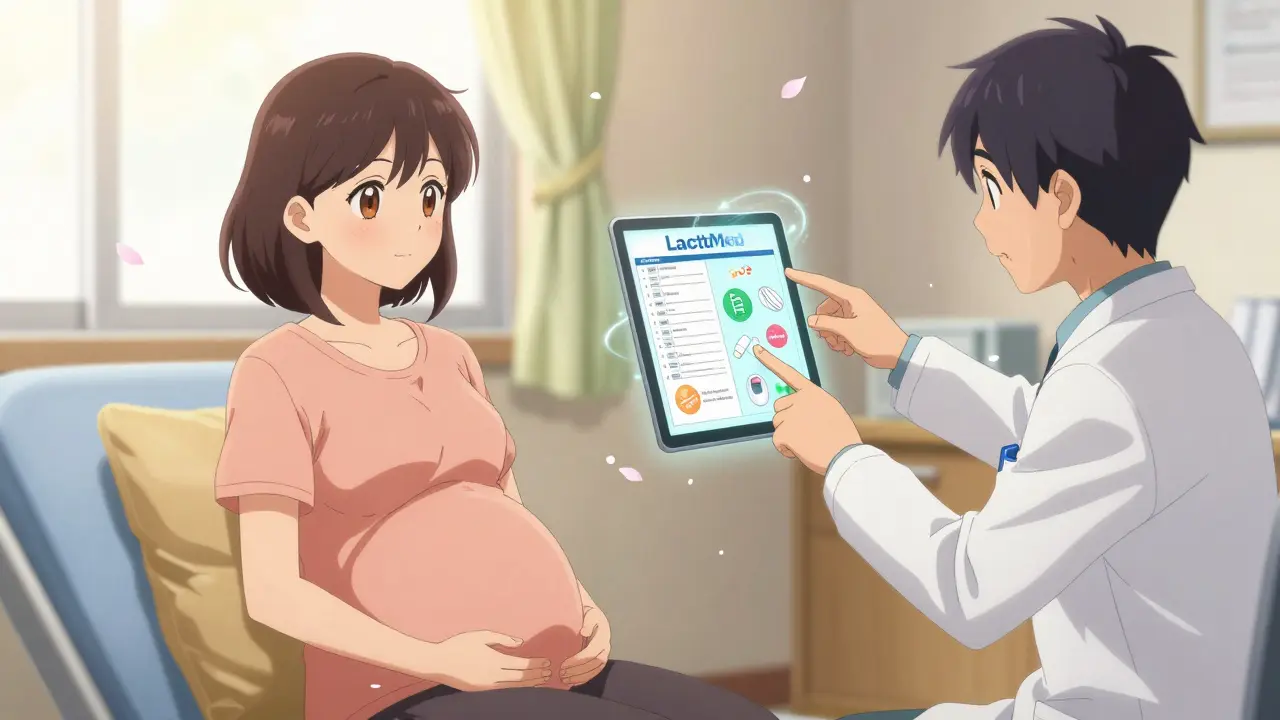
Learn how to have clear, safe conversations with your provider about medications during pregnancy and breastfeeding. Know which drugs are safe, what tools to use, and how to advocate for yourself.
Pelvic Pain in Women: Understanding Endometriosis and Interstitial Cystitis
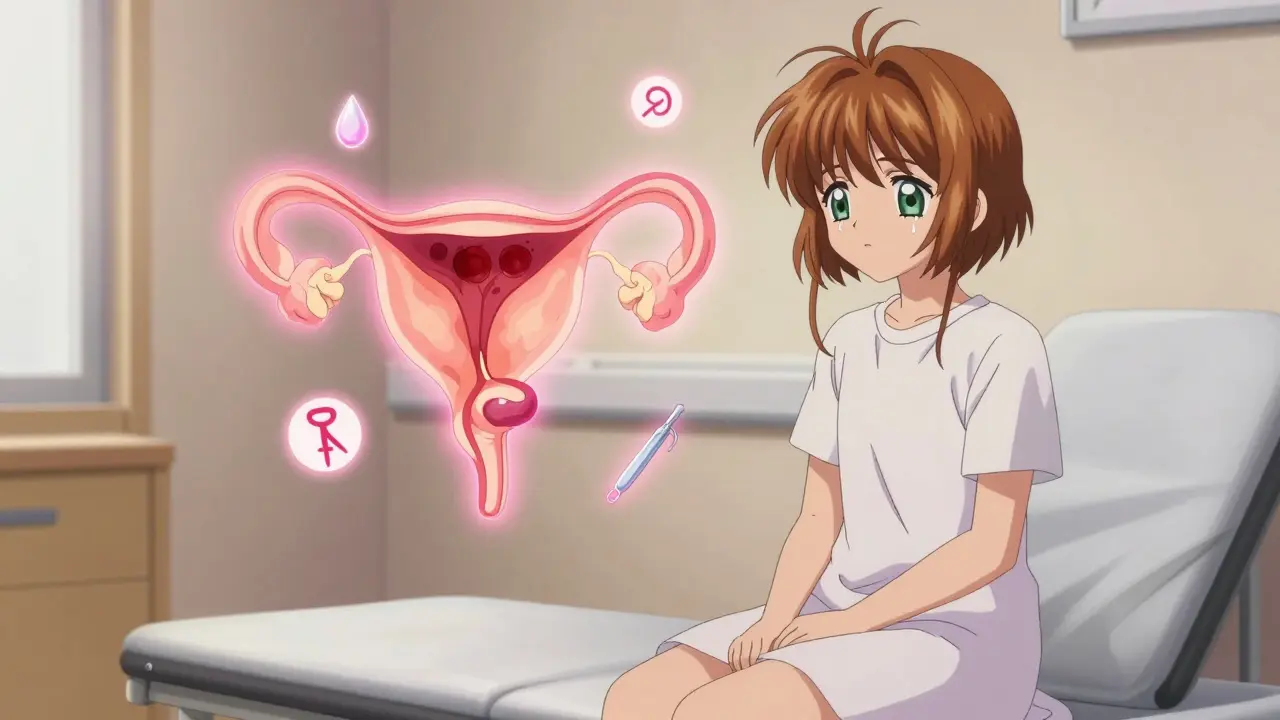
Chronic pelvic pain in women is often caused by endometriosis and interstitial cystitis-two conditions that overlap in symptoms but require very different treatments. Learn how to tell them apart and get the right diagnosis.
Prolactin Disorders Explained: Galactorrhea, Infertility, and Effective Treatments

Galactorrhea and infertility linked to high prolactin are common but treatable. Learn the causes, how dopamine agonists like cabergoline work, and what to expect from diagnosis to recovery.
PCOS and Weight: How Insulin Resistance Drives Weight Gain and What to Eat

PCOS makes weight loss difficult due to insulin resistance, which drives fat storage and cravings. Learn how diet, movement, and sleep can break the cycle and improve symptoms without extreme measures.
Nausea Medications in Pregnancy: Safe Options and Real Risk Profiles

Safe and effective options for managing nausea in pregnancy, including ginger, vitamin B6, Diclegis, and the risks of ondansetron and PPIs. Learn what works, what doesn’t, and what to avoid.
Rifampin and Birth Control: What You Need to Know About Contraceptive Failure Risks
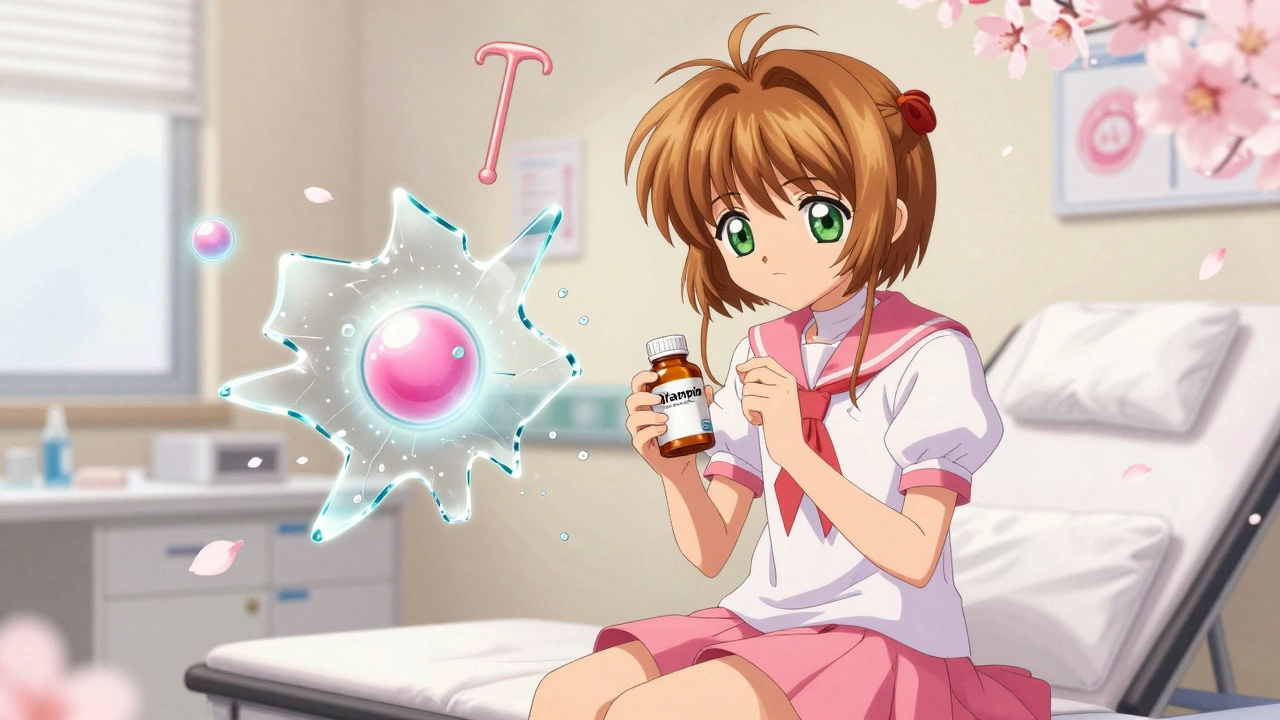
Rifampin can cause birth control to fail by speeding up hormone breakdown. Learn why only this antibiotic poses a real risk, how long the danger lasts, and what backup methods actually work.
Flibanserin: What It Really Does for Low Sexual Desire in Women

Flibanserin is not a fertility drug - it's for low sexual desire in premenopausal women. Learn what it actually does, who it helps, and why it won't help you get pregnant.
Menopause Weight Gain: How Hormones, Muscle Loss, and Strategy Shape Your Body

Menopause weight gain isn't about overeating-it's hormonal shifts, muscle loss, and slower metabolism. Learn the science behind belly fat after 40 and what actually works to reverse it.
How to Manage Breakthrough Bleeding on Desogestrel - Practical Tips
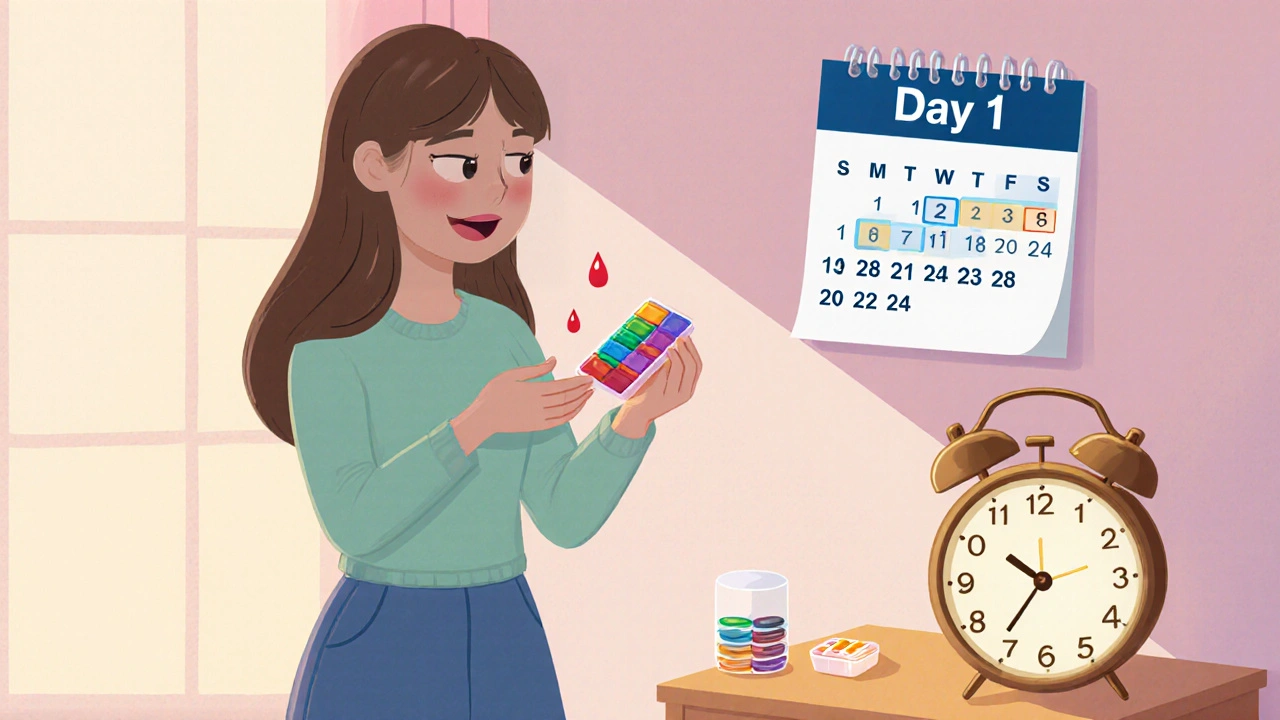
Learn why breakthrough bleeding happens on Desogestrel and get clear, step‑by‑step tips to manage spotting, when to seek medical help, and how to track progress.