
Kava Hepatotoxicity: Risks, Symptoms, and What You Need to Know
When you hear about kava hepatotoxicity, liver damage caused by kava root extracts used for anxiety and relaxation. Also known as kava-induced liver injury, it’s a rare but documented risk tied to certain kava products. This isn’t about occasional use—it’s about how some forms of kava, especially those made with acetone or ethanol extracts, can harm the liver over time.
People turn to kava for its calming effects, often thinking it’s safer than prescription meds. But herbal medicine safety, the idea that natural equals harmless is a dangerous myth. Studies from Europe and the U.S. have linked kava supplements to cases of acute liver failure, some requiring transplants. The risk isn’t the same for everyone—some people develop problems after just a few weeks, others after years. Factors like genetics, alcohol use, and pre-existing liver conditions can make you more vulnerable.
kava liver damage, the specific liver injury caused by kava consumption often shows up quietly. Early signs include fatigue, dark urine, yellowing skin or eyes, nausea, and abdominal pain. These symptoms are easy to ignore—until they’re not. If you’ve been using kava regularly and notice any of these, stop immediately and get your liver checked. Blood tests for ALT and AST levels can catch damage before it becomes severe.
Not all kava products are equal. Traditional water-based preparations from Pacific Island cultures have a much lower risk profile than concentrated extracts sold in pills or tinctures in the U.S. and Europe. The problem often lies in how the kava is processed—using solvents that pull out compounds that stress the liver. The FDA has issued warnings, and countries like Germany and Canada have restricted sales. Yet, many online stores still sell high-risk products with little warning.
If you’re using kava for anxiety or sleep, ask yourself: is the benefit worth the risk? There are safer, well-studied alternatives—like cognitive behavioral therapy, magnesium, or even low-dose SSRIs under medical supervision. You don’t need to risk your liver for a feeling of calm.
Below, you’ll find real patient stories, medical case analyses, and comparisons with other herbal supplements that carry hidden liver risks. These aren’t theoretical warnings—they’re lessons from people who didn’t know the danger until it was too late. Know the signs. Know your options. Your liver can’t afford guesswork.
Kava and Liver Health: Safety with Other Medications
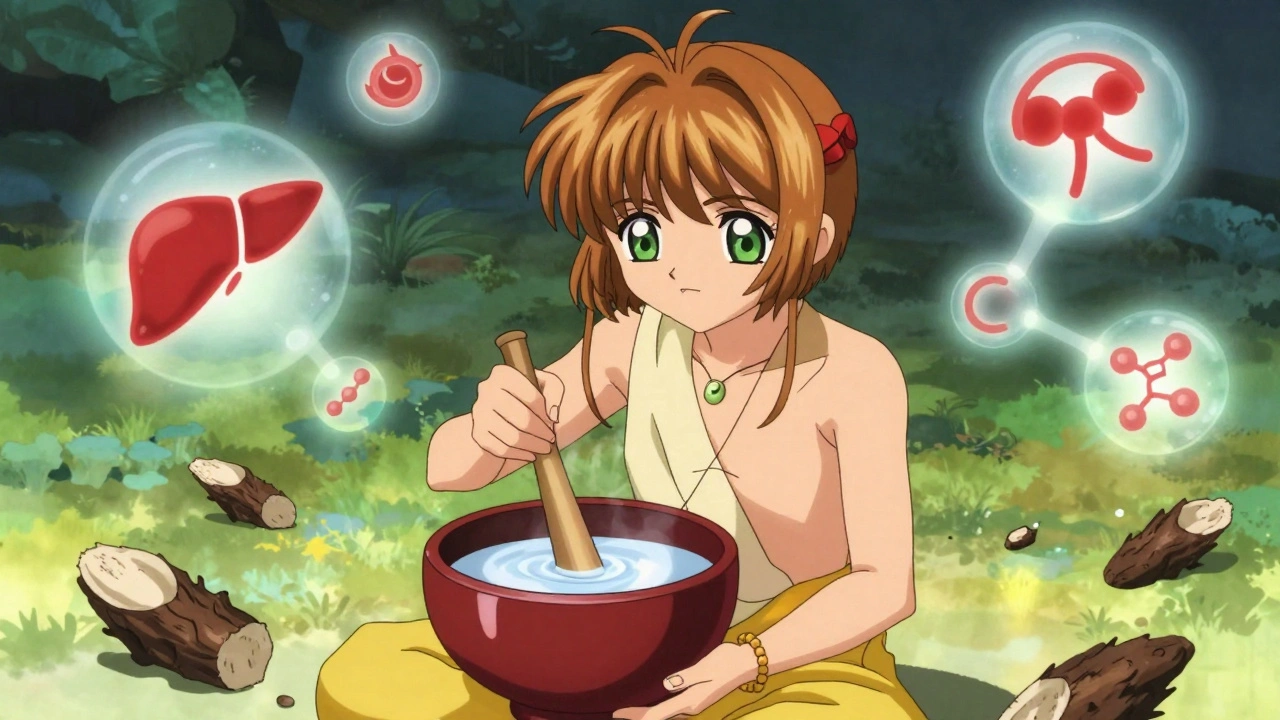
Kava may help with anxiety, but it can cause severe liver damage-especially when mixed with medications. Learn which drugs are dangerous with kava, who's at risk, and safer alternatives.