
Hatch-Waxman Act: How It Shaped Generic Drugs and Biosimilars in the U.S.
When you buy a cheap version of a brand-name drug, you’re seeing the direct result of the Hatch-Waxman Act, a 1984 U.S. law that balanced drug innovation with affordable access by creating a faster path for generic medications. Also known as the Drug Price Competition and Patent Term Restoration Act, it’s the reason millions of Americans can afford pills like metformin, lisinopril, or atorvastatin without paying brand prices. Before this law, generic drug makers had to run full clinical trials just to prove their version worked—same as the original. That made generics too expensive to produce. Hatch-Waxman changed that by letting companies prove bioequivalence instead. If their pill releases the same amount of active ingredient at the same rate as the brand, the FDA approves it. No need to retest safety from scratch.
This law didn’t just help generics—it also created the first real framework for biosimilars, complex drugs made from living cells, like those used for cancer or autoimmune diseases. While biosimilars weren’t common in 1984, the Hatch-Waxman Act laid the legal groundwork for later rules that let companies follow a similar path: show similarity, not identity, to the original biologic. Today, biosimilars like those for Humira or Enbrel exist because of that foundation. The Act also gave brand-name companies a limited patent extension—up to five extra years—to make up for time lost during FDA review. That balance kept innovation alive while opening the door for competition. You’ll see how this plays out in real life in the posts below: from how generic drugs save billions, to why some biosimilars still struggle to catch on, to how the FDA enforces standards that trace back to this law.
What you’ll find here isn’t just history—it’s practical insight. Articles cover how Hatch-Waxman affects your prescriptions today, why some generics are cheaper than others, and how the same rules that let you buy a $4 version of Lipitor also shape the future of expensive biologics. You’ll see how patent battles, approval delays, and pharmacy substitutions all tie back to this one law. Whether you’re managing a chronic condition, comparing drug costs, or just wondering why your pill looks different this month, understanding Hatch-Waxman helps you make smarter choices. The posts ahead dive into real-world outcomes: cost savings, access barriers, and the quiet revolution in how medicine gets made and sold in America.
FDA Authorization of Generics: Legal Basis and Approval Process

The FDA approves generic drugs through a science-based process rooted in the 1984 Hatch-Waxman Act. Generics must match brand drugs in active ingredients, strength, and bioequivalence, ensuring safety and affordability. Over 90% of U.S. prescriptions are for generics, saving billions annually.
FDA Authorization of Generics: Legal Basis and Approval Process

The FDA approves generic drugs through the Hatch-Waxman Act and ANDA pathway, ensuring they match brand-name drugs in safety, strength, and effectiveness. Over 90% of U.S. prescriptions are filled with generics, saving billions annually.
Federal Circuit Court: Authority on Pharmaceutical Patent Cases
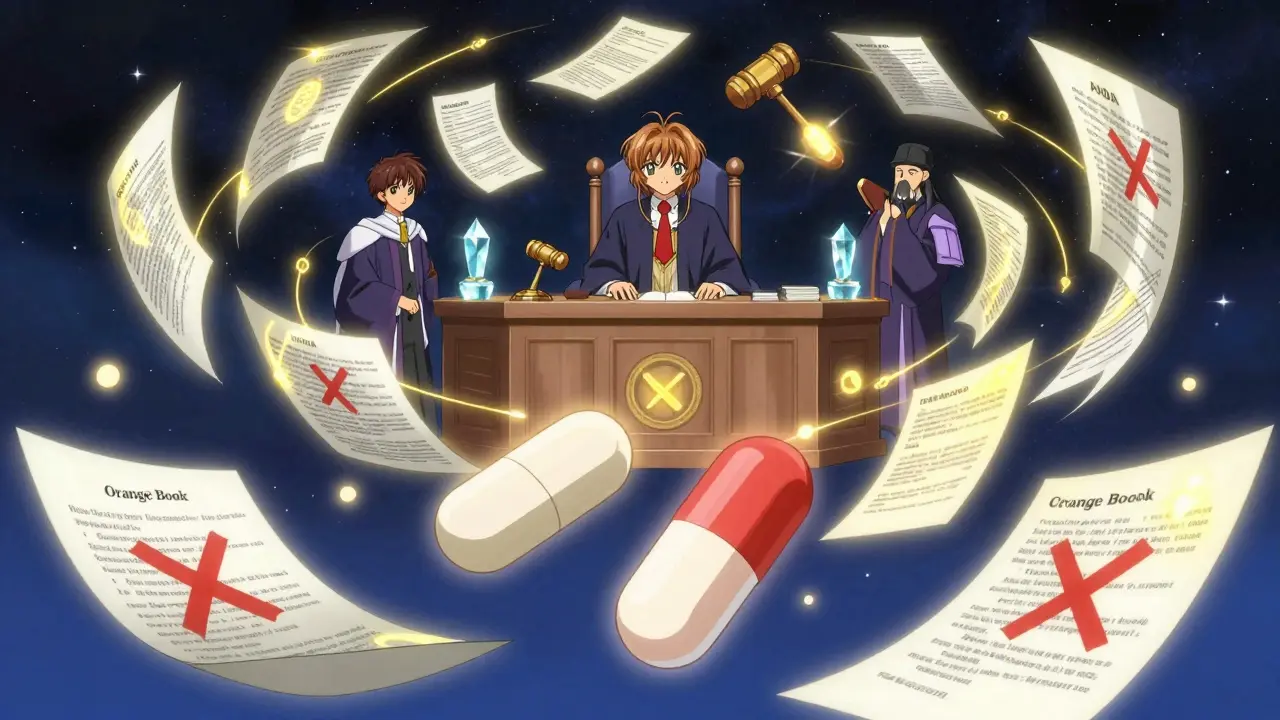
The Federal Circuit Court holds exclusive authority over all U.S. pharmaceutical patent cases, shaping when generics enter the market, how patents are enforced, and how drug prices are affected. Its rulings on ANDA jurisdiction, dosing patents, and Orange Book listings have rewritten industry rules.
Antitrust Laws and Competition Issues in Generic Pharmaceutical Markets
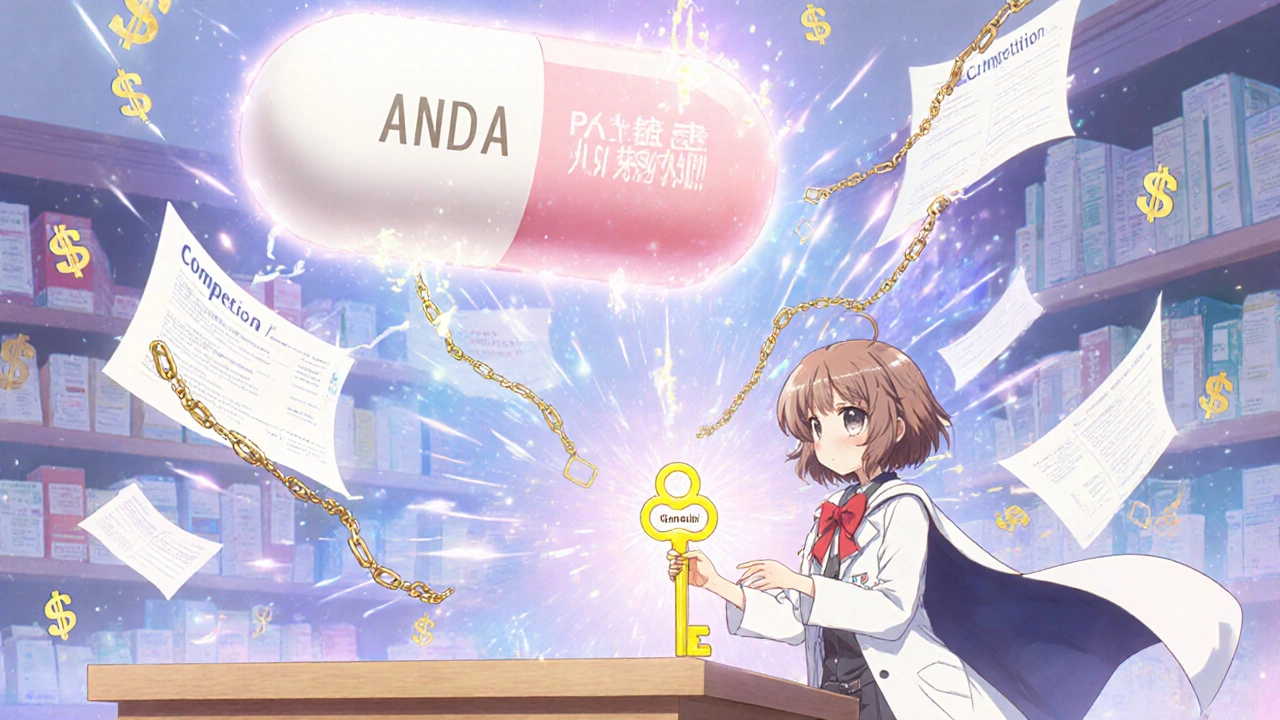
Antitrust laws in the generic drug market aim to prevent pay-for-delay deals, patent abuse, and product hopping that block cheaper medications. These practices cost patients billions and delay access to life-saving drugs.